Forum


popularJLPT N5nounnoun (generic)noun taking the genitive case particle のadjective (generic)adverbarchaic

Tags

popular
Words commonly used in modern Japanese #popular
JLPT N5
JLPT N5 words: Basic Level #jlpt5
noun
noun (common) (futsuumeishi) #n
noun (generic)
All kinds of Japanese nouns #noun
noun taking the genitive case particle の
Nouns that can be converted into genitive case using the particle の. #adj-no
adjective (generic)
All kinds of Japanese adjectives #adj
adverb
Fukushi adverb coming from adjectives. #adv
archaic
Words or expressions no longer current or that are current only within a few special contexts. #arch

Reading

Meaning

    • nounnoun taking the genitive case particle の
      after, later
    • nounnoun taking the genitive case particle の
      remainder, the rest
      • nounadverb
        more (e.g. five more minutes), left
        • nounadverb
          also, in addition
          • nounnoun taking the genitive case particle の
            descendant, successor, heir
            • nounnoun taking the genitive case particle の
              after one's death
              • archaicnounnoun taking the genitive case particle の
                past, previous
                • later, verder, volgend, posterieur, erop volgend, na
                  • derrière, en arrière
                    • après, plus tard
                      • après sa (propre) mort
                        • le reste
                          • héritier, successeur, descendant
                            • plus (par ex. encore cinq minutes de plus), restant
                              • aussi, également, en outre, de plus
                                • passé, précédent, antérieur
                                  • hinter, nach, in
                                    • später, folgend
                                      • hinterer, rückwärtig
                                        • späterer, folgender, zukünftiger, nachherig
                                          • übrig bleibend, zurückbleibend
                                            • rückwärtige Richtung
                                              • hinten, rückwärts
                                                • später, danach, nach, nachher, nachdem
                                                  • spätere Situation
                                                    • Ergebnis
                                                      • Rest
                                                        • zurückgebliebene Empfindung
                                                          • Nachkomme, Nachfahre, Nachkommenschaft
                                                            • Nachfolger
                                                              • vorher
                                                                • weitere …
                                                                  • azután, far-, hátsó, hátulsó, miután, modorában, után, utána, utó-, később, fenék, hátsó rész, hátvéd, ülep
                                                                        • 1) позади, {~から} сзади (при движении), {…の~に} за (чем-л.), позади (чего-л.), {~の} а) задний, последний; б) следующий, {~へ} назад, {~になる} остаться позади, отстать, 2) раньше (на какое-л. время), 3): {~で} после, затем, {~から} потом, позже, 4) следующее, {~の} следующий, 5) последующее, будущее, 6) последствия, 7) остальное, остаток, 8) потомок, 9) преемник, A氏が私の後へすわる меня заменит (моим преемником будет) г-н А, 10) (связ.) после смерти
                                                                          • po {po samostalniku, velikokrat s členkom に ali で}, kasneje, čez nekaj čase {s členkom で}, potem ko {po povedku v pretekli obliki}, še {... časa, količine}, čez {... časa, količine} {običajno pred števniki, označuje to, kar manjka do dopolnitve nekega pogoja}, zadaj, nazaj, potem, nadaljevanje, kar pride potem, ostalo, naslednik, še, pa še to {na začetku stavka}
                                                                            • después, luego

                                                                                How to write

                                                                                Not available for this kanji.

                                                                                Kanji in this word

                                                                                Collocations and expressions using 後

                                                                                後の祭り
                                                                                a day after the fair
                                                                                後塵を拝する
                                                                                to be left in the dust (of)
                                                                                後を慕って
                                                                                following (a person to a place)
                                                                                後家を立てる
                                                                                to remain faithful to the memory of one's husband and never remarry
                                                                                後悔先に立たず
                                                                                it is no use crying over spilt milk
                                                                                後釜に座る
                                                                                to succeed to someone's post
                                                                                後釜に据える
                                                                                to install (a person) in (someone's) place
                                                                                後顧の憂い
                                                                                anxiety (about the future)
                                                                                後手に回る
                                                                                to be forestalled
                                                                                後手を踏む
                                                                                to be forestalled
                                                                                後手後手
                                                                                behind with everything
                                                                                後手必敗
                                                                                Defeat is inevitable for one who goes second
                                                                                後出しジャンケン
                                                                                waiting to see one's opponent's move
                                                                                後を追う
                                                                                to follow
                                                                                後生だから
                                                                                for goodness' sake
                                                                                後生一生の頼み
                                                                                extremely important or once in a lifetime request
                                                                                後生可畏
                                                                                the young should be regarded with respect
                                                                                後先になる
                                                                                to be inverted (of the order of something)
                                                                                後先考えず
                                                                                without thinking of the consequences
                                                                                後足で砂をかける
                                                                                to do something spiteful as one leaves
                                                                                後日に譲る
                                                                                to keep (the matter) for another occasion
                                                                                後入先出
                                                                                last in, first out
                                                                                後門の虎、前門の狼
                                                                                between the devil and the deep sea
                                                                                後ろに倒れる
                                                                                to fall backward
                                                                                後から後から
                                                                                one after another
                                                                                後が無い
                                                                                having one's back to the wall
                                                                                後で
                                                                                later (on)
                                                                                後にする
                                                                                to leave behind
                                                                                後になって
                                                                                afterwards
                                                                                後になる
                                                                                to become late
                                                                                後にも先にも
                                                                                before or since
                                                                                後に引けない
                                                                                unable to back out
                                                                                後は野となれ山となれ
                                                                                I don't care what follows
                                                                                後ろざまに倒れる
                                                                                to fall backward
                                                                                後がつかえる
                                                                                to make (someone) wait
                                                                                後ろを見せる
                                                                                to turn one's back (on the enemy)
                                                                                後ろ指を指される
                                                                                to be talked about behind one's back
                                                                                後ろ指を指す
                                                                                to talk about someone behind their back
                                                                                後ろ髪を引かれる
                                                                                to do something with painful reluctance
                                                                                後を引く
                                                                                to be moreish
                                                                                後を継ぐ
                                                                                to succeed (someone)
                                                                                後を絶たず
                                                                                never ceasing
                                                                                後を絶たない
                                                                                never ceasing
                                                                                後を弔う
                                                                                to perform religious rites for the repose of a soul
                                                                                Advertisement

                                                                                Extended information

                                                                                • JMDict ID: 1269320
                                                                                • JMdictDB entry
                                                                                • Short URL: https://jpdct.com/E15I
                                                                                • Appears in the "wordfreq" file compiled by Alexandre Girardi (see wordfreq.README) on the first 12.000 words.
                                                                                • Appears in the "Ichimango goi bunruishuu", Senmon Kyouiku Publishing, Tokyo, 1998.
                                                                                • Frequency-of-use ranking in the wordfreq file: 1

                                                                                Example sentences

                                                                                popularsearch-only kanji formJLPT N3usually written using kana alonenounnoun (generic)adverbnoun taking the genitive case particle のadjective (generic)archaic

                                                                                Tags

                                                                                popular
                                                                                Words commonly used in modern Japanese #popular
                                                                                search-only kanji form
                                                                                search-only kanji form #sK
                                                                                JLPT N3
                                                                                JLPT N3 words: Intermediate Level #jlpt3
                                                                                usually written using kana alone
                                                                                Words and expressions which are always written using hiragana or katakana. #uk
                                                                                noun
                                                                                noun (common) (futsuumeishi) #n
                                                                                noun (generic)
                                                                                All kinds of Japanese nouns #noun
                                                                                adverb
                                                                                Fukushi adverb coming from adjectives. #adv
                                                                                noun taking the genitive case particle の
                                                                                Nouns that can be converted into genitive case using the particle の. #adj-no
                                                                                adjective (generic)
                                                                                All kinds of Japanese adjectives #adj
                                                                                archaic
                                                                                Words or expressions no longer current or that are current only within a few special contexts. #arch

                                                                                Reading

                                                                                • (のち)
                                                                                  nochi
                                                                                  nochi

                                                                                Meaning

                                                                                How to write

                                                                                Not available for this kanji.

                                                                                Kanji in this word

                                                                                Collocations and expressions using 後

                                                                                後の祭り
                                                                                a day after the fair
                                                                                後塵を拝する
                                                                                to be left in the dust (of)
                                                                                後を慕って
                                                                                following (a person to a place)
                                                                                後家を立てる
                                                                                to remain faithful to the memory of one's husband and never remarry
                                                                                後悔先に立たず
                                                                                it is no use crying over spilt milk
                                                                                後釜に座る
                                                                                to succeed to someone's post
                                                                                後釜に据える
                                                                                to install (a person) in (someone's) place
                                                                                後顧の憂い
                                                                                anxiety (about the future)
                                                                                後手に回る
                                                                                to be forestalled
                                                                                後手を踏む
                                                                                to be forestalled
                                                                                後手後手
                                                                                behind with everything
                                                                                後手必敗
                                                                                Defeat is inevitable for one who goes second
                                                                                後出しジャンケン
                                                                                waiting to see one's opponent's move
                                                                                後を追う
                                                                                to follow
                                                                                後生だから
                                                                                for goodness' sake
                                                                                後生一生の頼み
                                                                                extremely important or once in a lifetime request
                                                                                後生可畏
                                                                                the young should be regarded with respect
                                                                                後先になる
                                                                                to be inverted (of the order of something)
                                                                                後先考えず
                                                                                without thinking of the consequences
                                                                                後足で砂をかける
                                                                                to do something spiteful as one leaves
                                                                                後日に譲る
                                                                                to keep (the matter) for another occasion
                                                                                後入先出
                                                                                last in, first out
                                                                                後門の虎、前門の狼
                                                                                between the devil and the deep sea
                                                                                後ろに倒れる
                                                                                to fall backward
                                                                                後から後から
                                                                                one after another
                                                                                後が無い
                                                                                having one's back to the wall
                                                                                後で
                                                                                later (on)
                                                                                後にする
                                                                                to leave behind
                                                                                後になって
                                                                                afterwards
                                                                                後になる
                                                                                to become late
                                                                                後にも先にも
                                                                                before or since
                                                                                後に引けない
                                                                                unable to back out
                                                                                後は野となれ山となれ
                                                                                I don't care what follows
                                                                                後ろざまに倒れる
                                                                                to fall backward
                                                                                後がつかえる
                                                                                to make (someone) wait
                                                                                後ろを見せる
                                                                                to turn one's back (on the enemy)
                                                                                後ろ指を指される
                                                                                to be talked about behind one's back
                                                                                後ろ指を指す
                                                                                to talk about someone behind their back
                                                                                後ろ髪を引かれる
                                                                                to do something with painful reluctance
                                                                                後を引く
                                                                                to be moreish
                                                                                後を継ぐ
                                                                                to succeed (someone)
                                                                                後を絶たず
                                                                                never ceasing
                                                                                後を絶たない
                                                                                never ceasing
                                                                                後を弔う
                                                                                to perform religious rites for the repose of a soul
                                                                                Advertisement

                                                                                Extended information

                                                                                Example sentences

                                                                                popularnounnoun (generic)noun (suffix)adverb

                                                                                Tags

                                                                                popular
                                                                                Words commonly used in modern Japanese #popular
                                                                                noun
                                                                                noun (common) (futsuumeishi) #n
                                                                                noun (generic)
                                                                                All kinds of Japanese nouns #noun
                                                                                noun (suffix)
                                                                                noun, used as a suffix #n-suf
                                                                                adverb
                                                                                Fukushi adverb coming from adjectives. #adv

                                                                                Reading

                                                                                Meaning

                                                                                How to write

                                                                                Not available for this kanji.

                                                                                Kanji in this word

                                                                                Collocations and expressions using 後

                                                                                後の祭り
                                                                                a day after the fair
                                                                                後塵を拝する
                                                                                to be left in the dust (of)
                                                                                後を慕って
                                                                                following (a person to a place)
                                                                                後家を立てる
                                                                                to remain faithful to the memory of one's husband and never remarry
                                                                                後悔先に立たず
                                                                                it is no use crying over spilt milk
                                                                                後釜に座る
                                                                                to succeed to someone's post
                                                                                後釜に据える
                                                                                to install (a person) in (someone's) place
                                                                                後顧の憂い
                                                                                anxiety (about the future)
                                                                                後手に回る
                                                                                to be forestalled
                                                                                後手を踏む
                                                                                to be forestalled
                                                                                後手後手
                                                                                behind with everything
                                                                                後手必敗
                                                                                Defeat is inevitable for one who goes second
                                                                                後出しジャンケン
                                                                                waiting to see one's opponent's move
                                                                                後を追う
                                                                                to follow
                                                                                後生だから
                                                                                for goodness' sake
                                                                                後生一生の頼み
                                                                                extremely important or once in a lifetime request
                                                                                後生可畏
                                                                                the young should be regarded with respect
                                                                                後先になる
                                                                                to be inverted (of the order of something)
                                                                                後先考えず
                                                                                without thinking of the consequences
                                                                                後足で砂をかける
                                                                                to do something spiteful as one leaves
                                                                                後日に譲る
                                                                                to keep (the matter) for another occasion
                                                                                後入先出
                                                                                last in, first out
                                                                                後門の虎、前門の狼
                                                                                between the devil and the deep sea
                                                                                後ろに倒れる
                                                                                to fall backward
                                                                                後から後から
                                                                                one after another
                                                                                後が無い
                                                                                having one's back to the wall
                                                                                後で
                                                                                later (on)
                                                                                後にする
                                                                                to leave behind
                                                                                後になって
                                                                                afterwards
                                                                                後になる
                                                                                to become late
                                                                                後にも先にも
                                                                                before or since
                                                                                後に引けない
                                                                                unable to back out
                                                                                後は野となれ山となれ
                                                                                I don't care what follows
                                                                                後ろざまに倒れる
                                                                                to fall backward
                                                                                後がつかえる
                                                                                to make (someone) wait
                                                                                後ろを見せる
                                                                                to turn one's back (on the enemy)
                                                                                後ろ指を指される
                                                                                to be talked about behind one's back
                                                                                後ろ指を指す
                                                                                to talk about someone behind their back
                                                                                後ろ髪を引かれる
                                                                                to do something with painful reluctance
                                                                                後を引く
                                                                                to be moreish
                                                                                後を継ぐ
                                                                                to succeed (someone)
                                                                                後を絶たず
                                                                                never ceasing
                                                                                後を絶たない
                                                                                never ceasing
                                                                                後を弔う
                                                                                to perform religious rites for the repose of a soul
                                                                                Advertisement

                                                                                Extended information

                                                                                Example sentences

                                                                                popularirregular okuriganaJLPT N5nounnoun (generic)noun taking the genitive case particle のadjective (generic)

                                                                                Tags

                                                                                popular
                                                                                Words commonly used in modern Japanese #popular
                                                                                irregular okurigana
                                                                                irregular okurigana usage #io
                                                                                JLPT N5
                                                                                JLPT N5 words: Basic Level #jlpt5
                                                                                noun
                                                                                noun (common) (futsuumeishi) #n
                                                                                noun (generic)
                                                                                All kinds of Japanese nouns #noun
                                                                                noun taking the genitive case particle の
                                                                                Nouns that can be converted into genitive case using the particle の. #adj-no
                                                                                adjective (generic)
                                                                                All kinds of Japanese adjectives #adj

                                                                                Reading

                                                                                Meaning

                                                                                How to write

                                                                                Not available for this kanji.

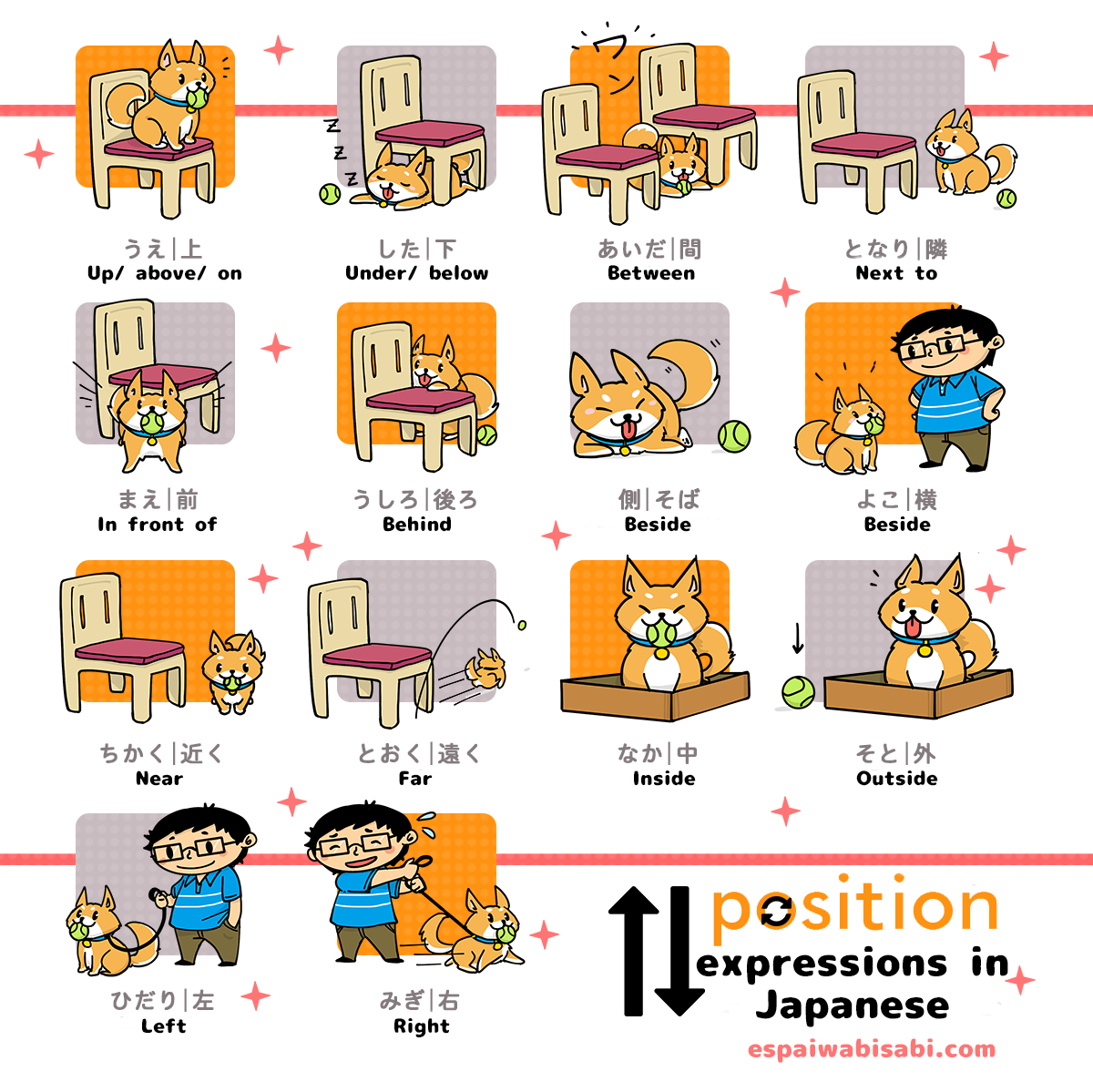
                                                                                Position expressions in Japanese

                                                                                Location words in Japanese

                                                                                Position expressions in Japanese!

                                                                                Kanji in this word

                                                                                Collocations and expressions using 後

                                                                                Advertisement

                                                                                Extended information

                                                                                • JMDict ID: 1269410
                                                                                • JMdictDB entry
                                                                                • Short URL: https://jpdct.com/E16i
                                                                                • Appears in the "wordfreq" file compiled by Alexandre Girardi (see wordfreq.README) on the first 12.000 words.
                                                                                • Appears in the "Ichimango goi bunruishuu", Senmon Kyouiku Publishing, Tokyo, 1998.
                                                                                • Frequency-of-use ranking in the wordfreq file: 6

                                                                                Example sentences

                                                                                popularJLPT N3nounnoun (generic)

                                                                                Tags

                                                                                popular
                                                                                Words commonly used in modern Japanese #popular
                                                                                JLPT N3
                                                                                JLPT N3 words: Intermediate Level #jlpt3
                                                                                noun
                                                                                noun (common) (futsuumeishi) #n
                                                                                noun (generic)
                                                                                All kinds of Japanese nouns #noun

                                                                                Other forms:

                                                                                Reading

                                                                                Meaning

                                                                                        How to write

                                                                                        Not available for this kanji.

                                                                                        Kanji in this word

                                                                                        Collocations and expressions using 後

                                                                                        Advertisement

                                                                                        Extended information

                                                                                        • JMDict ID: 1358760
                                                                                        • JMdictDB entry
                                                                                        • Short URL: https://jpdct.com/FLuo
                                                                                        • Appears in the "wordfreq" file compiled by Alexandre Girardi (see wordfreq.README) on the first 12.000 words.
                                                                                        • Appears in the "Ichimango goi bunruishuu", Senmon Kyouiku Publishing, Tokyo, 1998.
                                                                                        • Frequency-of-use ranking in the wordfreq file: 20

                                                                                        Example sentences

                                                                                        dated termnounnoun (generic)

                                                                                        Tags

                                                                                        dated term
                                                                                        dated term #dated
                                                                                        noun
                                                                                        noun (common) (futsuumeishi) #n
                                                                                        noun (generic)
                                                                                        All kinds of Japanese nouns #noun

                                                                                        Reading

                                                                                        Meaning

                                                                                        How to write

                                                                                        Not available for this kanji.

                                                                                        Kanji in this word

                                                                                        Advertisement

                                                                                        Extended information