List: polite (teineigo) language
Words used in teineigo or polite language, used to refer to one's own actions or those of other people.
popular obsolete kanji JLPT N4 humble language polite language noun noun (generic) noun or participle taking the aux. verb する transitive verb
- seeing, looking at
popular search-only kanji form JLPT N1 polite language noun noun (generic) honorific language
- errand, mission, going on an errand
- messenger, bearer, errand boy, errand girl
- familiar spirit
popular JLPT N2 polite language noun noun (generic) noun or participle taking the aux. verb する intransitive verb
- bow, bowing
popular JLPT N1 humble language polite language noun noun (generic) noun or participle taking the aux. verb する transitive verb
- borrowing
popular search-only kana form search-only kanji form JLPT N5 Ichidan verb verb (generic) transitive verb polite language usually written using kana alone colloquial intransitive verb finance auxiliary verb suffix humble language
- to raise, to elevate
- to move something (to a higher place), to put onto (e.g. a shelf)
- to increase (price, quality, status, etc.), to raise (a wage)
- to show someone (into a room), to let in (e.g. a guest)
- to give
- to enrol (one's child in school), to enroll, to send (one's child; e.g. to college)
- to develop (talent, skill, etc.), to improve
- to earn (something desirable), to achieve (e.g. a good result), to obtain
- to promote (someone)
- to complete, to finish
- to make (a loud sound), to raise (one's voice)
- to raise (one's gaze), to lift up (one's face), to look up
- to do up (one's hair)
- to offer up (incense, a prayer, etc.) to the gods (or Buddha, etc.)
- to praise, to commend, to flatter
- to make do (with less expenses than expected), to cover expenses (with a given amount), to set costs
- to finish (one's studies), to complete (a lesson), to pass (e.g. a class)
- to upload (e.g. an image), to publish (on the internet), to post
- to raise someone's spirits, to cheer someone up, to enhance a mood
- (of the tide) to come in, to rise
- to increase (of market price), to rise (of stock prices)
- to vomit, to throw up
- to do for (the sake of someone else)
- to complete ...
- to humbly do ...
popular search-only kana form search-only kanji form JLPT N4 polite language noun noun (generic)
- local specialty or souvenir bought as a gift while traveling (travelling)
- present brought by a visitor
- something unpleasant that one is given (e.g. an illness while on vacation), unwelcome gift, disservice
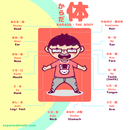 お腹おなかonaka
popular rarely used kanji form search-only kanji form JLPT N5 polite language noun noun (generic)
- belly, abdomen, stomach
popular JLPT N2 polite language usually written using kana alone expression
- certainly!, very well, with pleasure, understood!
popular JLPT N1 honorific language familiar language suffix polite language
- Mr, Mrs, Miss, Ms, -san
- politeness marker
popular JLPT N3 polite language conjunction
- so, therefore, accordingly, consequently, on those grounds, that is why, for that reason